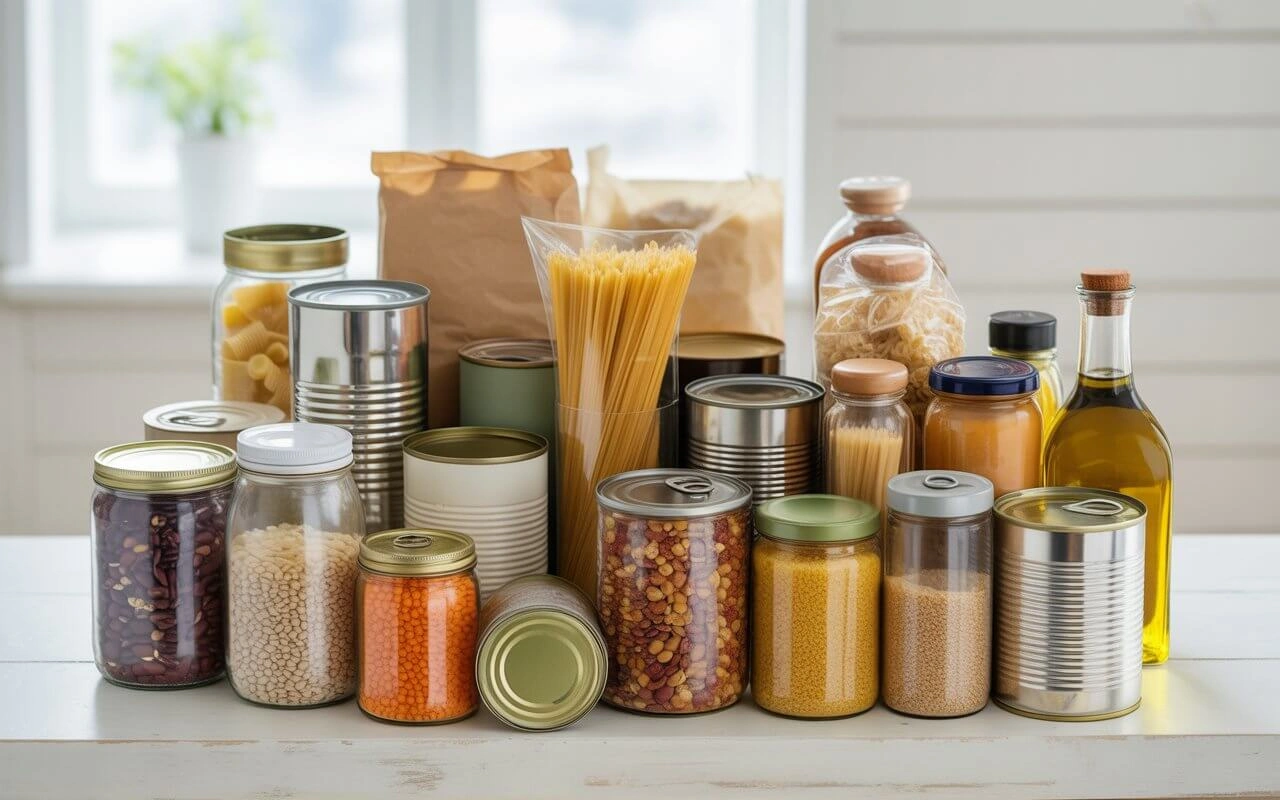
When I first started organizing healthy eating habits for myself and my clients, I quickly realized one thing—having the right Non Perishable Food in your kitchen can completely change how you manage meals, emergencies, and even daily snacking.
As a healthy snacks blogger and food planner, I’ve seen many families struggle not because they don’t have food, but because they don’t have the right kind of food stored properly. That’s where shelf-stable essentials come in.In this guide, I’ll walk you through everything you need to know about Non Perishable Food, including what it is, what to stock, how to store it, and how real people use it in everyday life.
Content
What is Non Perishable Food?
Non Perishable Food refers to food items that can last for a long time without refrigeration. These foods stay safe and edible for weeks, months, or even years when stored correctly.
Most of these foods are:
Packaged or canned
Dried or dehydrated
Low in moisture
Resistant to spoilage
In simple words, they are your long shelf life food essentials that stay fresh even when your fridge is empty or electricity is not available.From my personal experience, keeping a small pantry of these items has saved me during busy weeks when cooking fresh meals felt impossible.
Why Non Perishable Food Matters in Daily Life
Many people think Non Perishable Food is only for emergencies, but that’s not true.
Here’s why it’s important in everyday life:
Helps maintain a stable pantry
Reduces frequent grocery shopping
Saves money in bulk buying
Supports emergency food supply planning
Useful for travel, camping, and busy schedules
I personally rely on shelf-stable groceries during content creation days when I don’t have time to cook fresh meals. A quick mix of pantry staples keeps me going without stress.
Complete List of Non Perishable Food Items
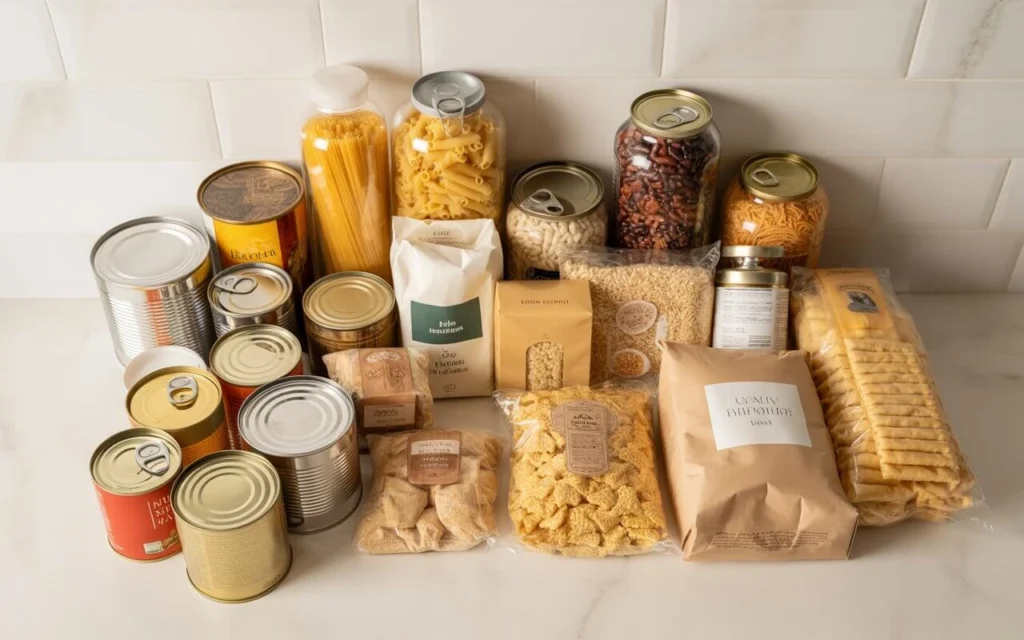
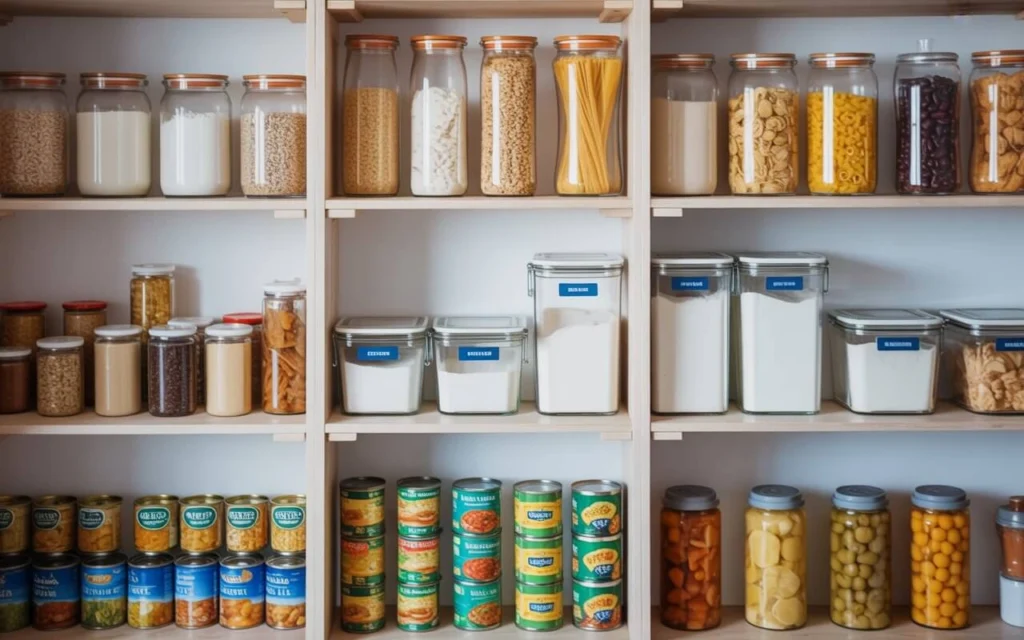
A well-balanced pantry should include different categories of shelf-stable food. Below is a practical breakdown based on nutrition and usability.
1. Canned Foods
Canned items are the backbone of most pantries:
Canned vegetables (corn, peas, beans)
Canned tuna and chicken
Canned soups and stews
These are classic shelf stable food options that are easy to use in quick meals.
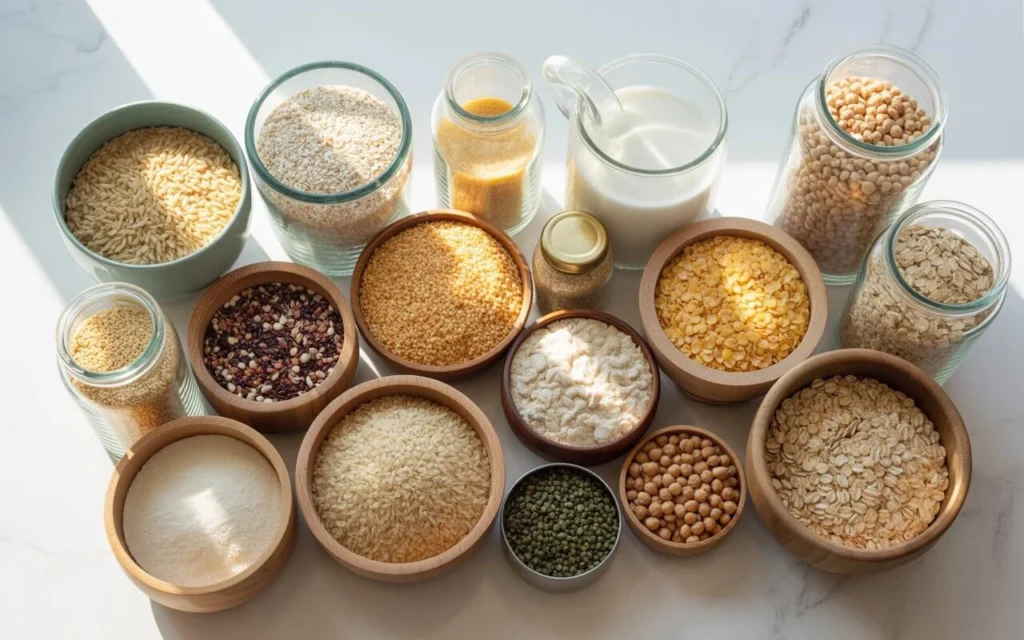
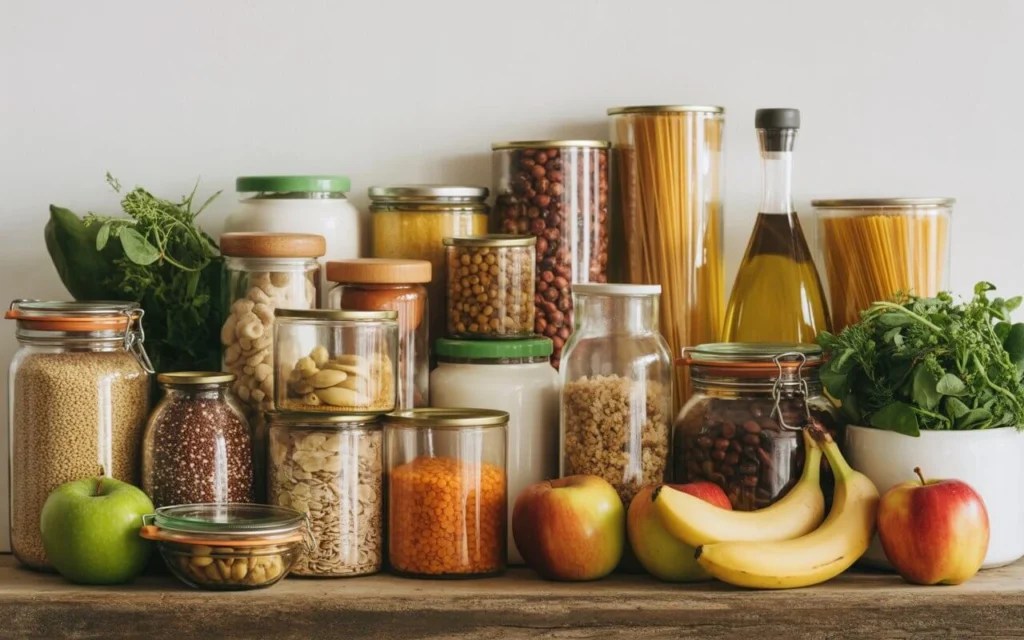
2. Dry Grains and Staples
These are essential for long-term storage:
Rice
Oats
Pasta
Flour
Lentils
These ingredients are commonly used in bulk food storage and are extremely cost-effective.
3. Protein-Rich Options
Protein is often missed in emergency setups, but it’s crucial:
Peanut butter
Canned beans
Powdered milk
Protein bars
These items are excellent for healthy non perishable foods for camping and travel.
4. Snacks and Quick Energy Foods
As someone who focuses on healthy snacks, I always recommend:
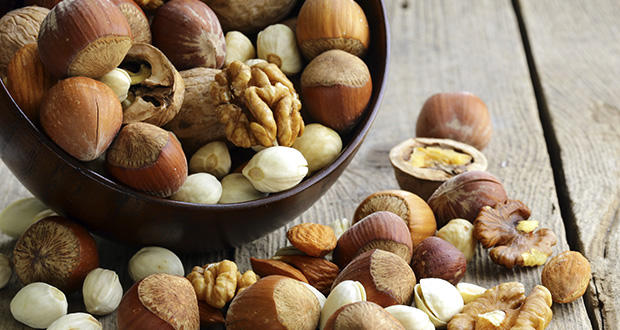
Nuts and seeds
Whole grain crackers
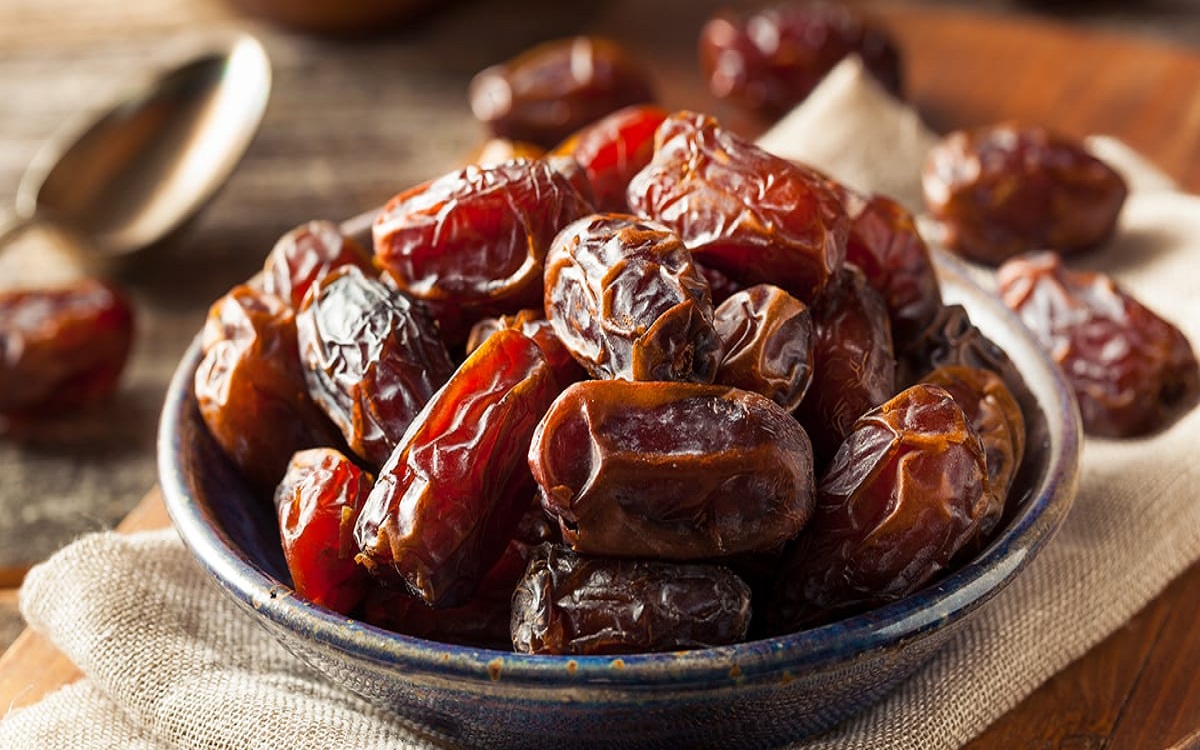
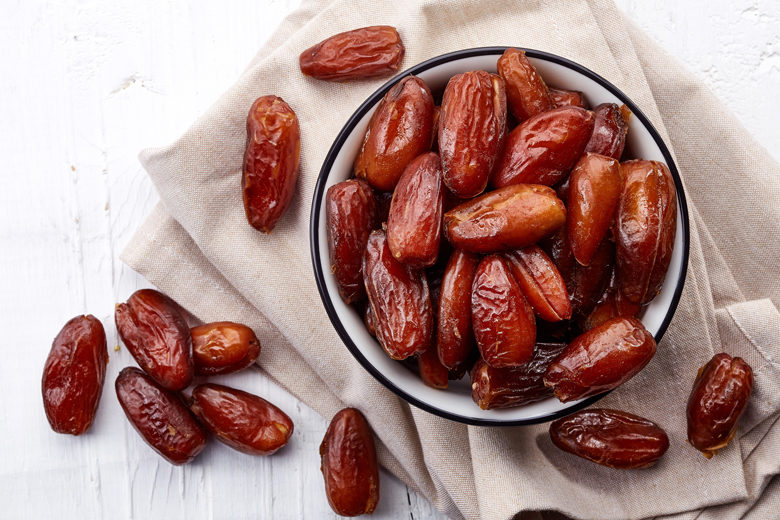
Dried fruits
Granola bars
These are perfect non perishable food items that do not require refrigeration and help maintain energy levels throughout the day.
5. Beverages and Essentials
Tea and coffee
Powdered drink mixes
Shelf-stable milk
These add comfort and variety to your pantry.
Benefits of Non Perishable Food
Adding Non Perishable Food to your home brings long-term benefits:
Emergency readiness
You are always prepared for power outages or supply shortages.
Budget-friendly living
Buying in bulk reduces long-term grocery costs.
Less food waste
Since these foods last longer, you throw away less.
Convenient lifestyle
Perfect for busy professionals, students, and travelers.
From my experience, once people start organizing their pantry with these items, their food stress reduces significantly.
How to Store Non Perishable Food Properly
Even though these foods last longer, proper storage is important.
Here are simple tips I always recommend:
Store in a cool, dry place
Avoid direct sunlight
Use airtight containers for opened items
Rotate older stock first (FIFO method)
Keep labeling for expiry dates
This is especially important when building a non-perishable food list for emergency preparedness kits.
Real-Life Case Study: How Pantry Planning Helped a Family Save Time and Money
A client of mine, a working mother of two, used to struggle with daily meal planning. She often ordered food because she didn’t have ingredients ready at home.After we redesigned her pantry with Non Perishable Food, everything changed.
We added:
Rice, pasta, and lentils
Canned vegetables and tuna
Peanut butter and oats
Dried fruits and nuts
Within one month:
Grocery expenses dropped by 30%
Cooking time reduced by half
Emergency meals were always available
She told me something that stuck with me:
“Now I don’t panic when I don’t have fresh groceries. My pantry feels like a safety net.” This is the real power of smart food storage essentials.
Non Perishable Food for Emergency Preparedness
One of the most important uses of these foods is survival planning.
A strong emergency kit includes:
Long shelf life food
Water supplies
Easy-to-eat snacks
Ready-to-use canned items
These items form a complete survival food storage list for long term emergencies.I always suggest families prepare at least a 2-week supply of essential pantry items.
Healthy Shelf-Stable Food Choices for Everyday Nutrition
Not all shelf-stable foods are unhealthy. You can absolutely maintain nutrition.
Good options include:
Low-sodium canned vegetables
Whole grain oats
Unsalted nuts
Natural peanut butter
Dried fruits without added sugar
These are ideal nutrient-rich shelf-stable foods for everyday use.
Practical Uses in Real Life
You can use Non Perishable Food in many situations:
Quick breakfast meals
Office lunch preparation
Road trips and travel kits
Camping and outdoor activities
Emergency backup meals
This flexibility is why more people are building pantry systems today.
Final Thoughts
Building a smart pantry with Non Perishable Food is not just about preparation—it’s about creating peace of mind. Whether you are planning for emergencies, improving your daily meal routine, or simply trying to save time, these shelf-stable essentials make life easier and more organized.
From my experience as a healthy snacks blogger, the people who invest in a well-planned pantry always feel more in control of their food habits and budget. Even small perks—like enjoying Free birthday food from your favorite places—become easier to manage when your everyday meals are already sorted.Start small, stay consistent, and your kitchen will slowly turn into a reliable system that supports you every day.
FAQs
What are non-perishable foods?
Foods that last long without refrigeration, including canned goods, grains, and dried items.
Terry is a health blog author and editor for a variety of publications. He has written on a wide range of topics, from fitness to nutrition to mental health. He loves working with people who are passionate about improving their lives through bettering their bodies and minds by eating right and staying active as well as those who want to improve their mental health by living life authentically without feeling ashamed or embarrassed about what they’ve been through.