If you’ve ever struggled with hair that seems resistant to moisture, takes forever to style, or feels product-heavy no matter how little you apply, you might be dealing with low porosity hair. Understanding your hair type is the first step to achieving healthy, shiny strands. In this guide, I’ll share practical tips, real-life experiences, and product suggestions to help you care for your low porosity hair effectively.
Content
What is Low Porosity Hair?
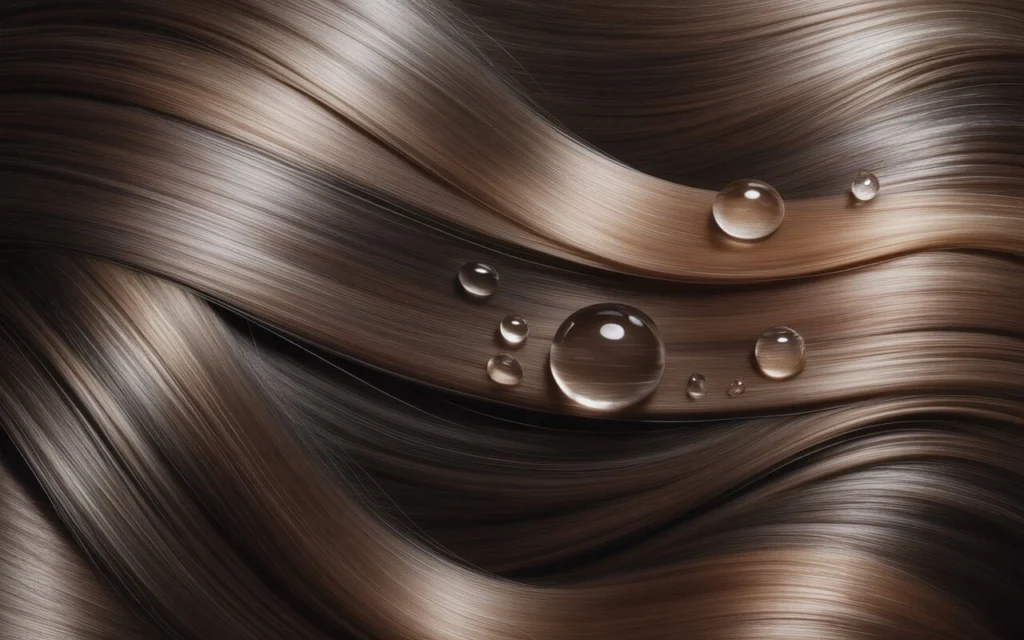
Low porosity hair is hair that has tightly bound cuticles, making it difficult for moisture and oils to penetrate. Essentially, it resists absorbing water and hair care products, leading to dryness, product buildup, and slow growth if not treated properly. This hair type is often shiny, resilient, and less prone to breakage, but it requires a different care approach than high porosity hair.A simple test you can do at home is the float test: Take a strand of clean hair and place it in a glass of water. If it floats for a long time before sinking, your hair is likely to have low porosity.
Low Porosity vs. High Porosity Hair: Know the Difference
Understanding the difference between hair porosity types can help you customize your routine:
- Low Porosity Hair: Resists moisture, slow to absorb products, often shiny and smooth.
- High Porosity Hair: Absorbs moisture quickly but loses it fast, prone to frizz and breakage.
- Medium Porosity Hair: Absorbs and retains moisture easily, considered the easiest to maintain.
By recognizing your hair’s porosity, you can avoid common mistakes like over-conditioning or using the wrong products.
Ways to Spot Hair That Resists Hydration
Beyond the float test, there are several ways to tell if your hair has low porosity:
- Water beads on the hair rather than soaking in.
- Products sit on top and feel heavy or sticky.
- Hair takes longer to dry, even after washing.
- Shiny strands with little frizz despite dryness.
Case Study:
Meet Sarah, a 32-year-old graphic designer. She struggled for years with frizzy, dry curls that never seemed hydrated. After learning about her hair’s low porosity, she started using deep conditioning treatments once a week and switched to lightweight leave-in products. Within three months, her hair became softer, more manageable, and her curls held shape without looking weighed down. This real-life example highlights how understanding your hair type transforms hair care results.
How to Moisturize Low Porosity Hair Effectively
Moisture retention in hair is a challenge for low porosity hair. The key is to use heat and lightweight products:
- Warm Water or Steam: Using slightly warm water when washing or steaming your hair opens the cuticles, allowing products to penetrate.
- Lightweight Leave-In Conditioners: Creamy or water-based conditioners work best; avoid heavy oils that can sit on the surface.
- Layering Products: Use a LOC method (Liquid, Oil, Cream) with lightweight oils like jojoba or argan to seal moisture without buildup.
These methods ensure your hair absorbs hydration without feeling greasy.
Oils and Products for Low Porosity Hair
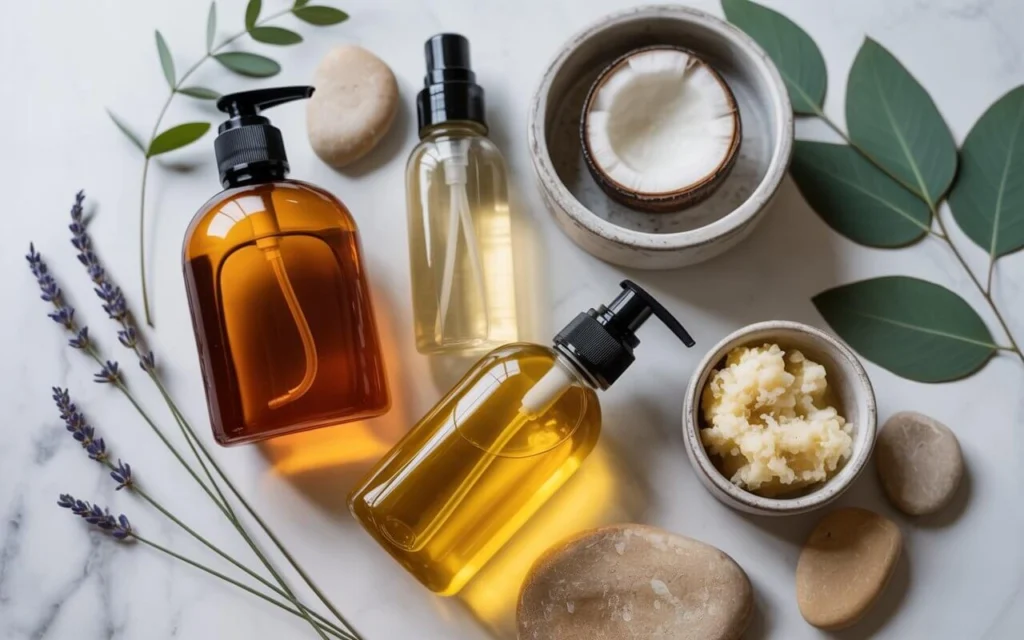
Low porosity hair is often protein-sensitive, so it’s important to avoid overloading with protein treatments. Instead, focus on:
- Jojoba oil: Closely mimics natural scalp oils.
- Argan oil: Lightweight and nourishing.
- Deep conditioners with humectants: Ingredients like aloe vera and glycerin help draw moisture into the hair.
Tip: Always check your products for ingredients that could weigh your hair down. Lightweight natural hair care products are ideal, especially for maintaining softness and shine in Dirty blonde hair without buildup.
Common Mistakes When Caring for Hair That Resists Moisture
Even with the best intentions, people often make mistakes that worsen dryness or product buildup:
- Using too much heavy oil or butter: It sits on the surface and prevents moisture absorption.
- Skipping heat when deep conditioning: Without heat, treatments may not penetrate effectively.
- Overwashing: Strips natural oils, making hair feel dry and lifeless.
By avoiding these pitfalls, you can ensure your hair remains hydrated, soft, and healthy.
Styling Tips for Low Porosity Hair
When styling low porosity hair, the goal is to maintain hydration and prevent frizz:
- Opt for protective styles like braids or twists to lock in moisture.
- Avoid excessive heat styling; if necessary, always use a heat protectant.
- Use water-based styling gels or creams rather than heavy pomades.
- Incorporate a weekly deep conditioning session, preferably with warm steam.
How to Deep Condition Hair That Resists Moisture at Home
A simple yet effective routine includes:
- Wash hair with a gentle, sulfate-free shampoo.
- Apply a lightweight deep conditioner with humectants.
- Cover hair with a shower cap and sit under a hooded dryer or wrap in a warm towel for 20–30 minutes.
- Rinse with cool water to close the cuticles.
This routine improves moisture retention in hair, reduces frizz, and promotes curl definition.
Signs Your Hair is Responding Well
If you notice the following, your hair care routine for resistant strands is working:
- Hair feels soft, smooth, and hydrated.
- Products absorb quickly without residue.
- Minimal frizz and breakage.
- Shiny, bouncy curls or waves.
Recommended Products for Low Porosity Hair
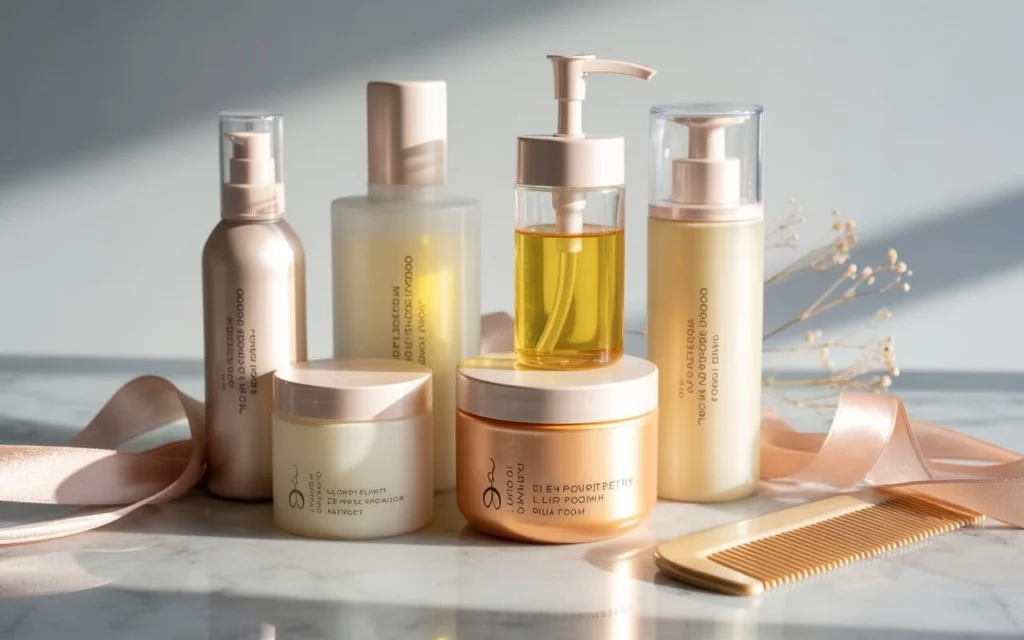
Some top product picks include:
- Lightweight leave-in conditioners: Brands with aloe or glycerin-based formulas.
- Humectant-rich deep conditioners: Moisture masks that contain natural ingredients.
- Oils: Jojoba, argan, or sweet almond for sealing in hydration.
Remember, less is more. Start with small amounts, observe results, and adjust accordingly.
Final Thoughts
Caring for low porosity hair doesn’t have to be frustrating. By understanding your hair’s unique characteristics, using lightweight products, applying heat when necessary, and avoiding heavy oils, you can transform dry, resistant hair into soft, manageable, and shiny strands. Inspired by the Natural hair movement, many people have embraced routines that truly match their hair’s needs. Like Sarah’s story, incredible results come with patience and consistency. With the right approach and products, low porosity hair can look healthier than ever.
FAQs
Does this hair type grow faster?
Learn about growth patterns and factors that affect hair speed.
What can damage hair that resists moisture?
Avoid heavy oils, protein overload, and frequent washing.
Which shampoo works best for resistant hair?
Find shampoos that hydrate without weighing strands down.
Which hair type is healthiest?
Discover which hair absorbs and retains moisture most effectively.
Which is the rarest hair type?
Learn about uncommon hair types and their unique traits.

Terry is a health blog author and editor for a variety of publications. He has written on a wide range of topics, from fitness to nutrition to mental health. He loves working with people who are passionate about improving their lives through bettering their bodies and minds by eating right and staying active as well as those who want to improve their mental health by living life authentically without feeling ashamed or embarrassed about what they’ve been through.